In the dynamic world of architecture and urban planning, visualizing a project before a single brick is laid is paramount. While virtual reality (VR) and 3D rendering software have made significant leaps, the tangible, physical architectural model remains an irreplaceable tool for architects, developers, and investors.
An architectural model is a physical representation of a structure built to study aspects of an architectural design or to communicate design ideas. But what exactly goes into making these intricate miniature worlds? In this comprehensive guide, we will explore the different types of architectural models, the diverse materials used to construct them, and their invaluable applications in modern real estate and design.
Why Are Architectural Models Still Essential?
Despite the digital revolution, physical scale models hold a unique power. Here is why they remain a cornerstone of architectural design:
- Spatial Understanding: Physical models provide an immediate, intuitive understanding of scale, proportion, and spatial relationships that 2D drawings or flat screen 3D renders often fail to convey.
- Client Communication: Not everyone can read complex architectural blueprints. A physical model bridges the communication gap between technical architects and layperson clients.
- Problem Solving: During the conceptual phase, building a rough model helps architects identify structural flaws, lighting issues, and spatial conflicts early in the process.
Main Types of Architectural Models
Depending on the phase of the project and the intended audience, architectural models are categorized into several distinct types.
1. Conceptual Models (Working Models)
Used primarily during the early stages of design. These are quick, rough models made from inexpensive materials like cardboard or foam. They are not meant to be pretty; they are meant to test ideas, massing, and how a building interacts with its immediate topography.
2. Presentation Models
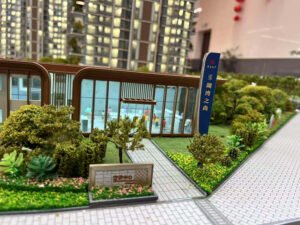
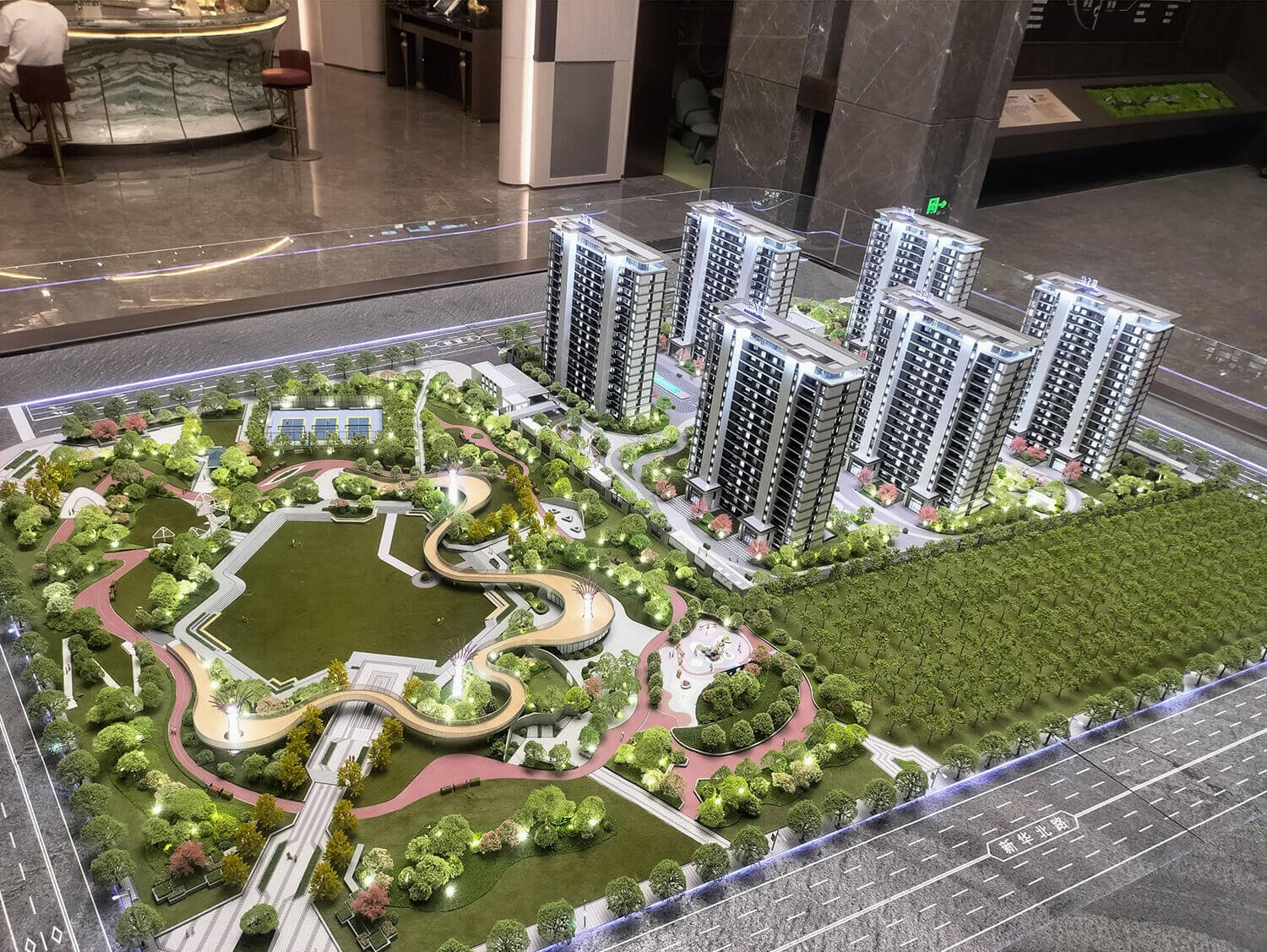
This is the type of architectural model most people are familiar with. They are highly detailed, fully finished models used to present the final design to clients, investors, or the public. Presentation models include realistic textures, landscaping, miniature people, and sometimes even functional LED lighting.
3. Urban Planning Models
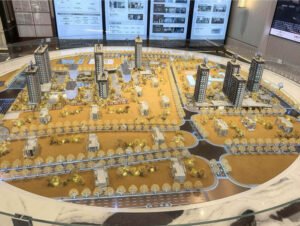
These are massive scale models that depict entire city blocks, neighborhoods, or campus master plans. They are crucial for city planners and large-scale developers to understand how a new development will affect traffic flow, shadowing, and the existing urban fabric.
4. Interior Models
While external architecture gets a lot of the spotlight, interior models focus entirely on the inside of a space. They are highly detailed, showcasing wall finishes, furniture layouts, and interior lighting. These are heavily used in high-end real estate marketing and hospitality design.
Common Materials Used in Architectural Model Making
The choice of material heavily influences the model’s durability, aesthetic, and cost. Professional model makers use a variety of materials:
| Material | Best Used For | Characteristics |
| Acrylic/Plexiglass | Windows, facades, modern structures | Highly durable, transparent or opaque, cuts cleanly with a laser. |
| Wood (Balsa/Basswood) | Conceptual models, structural framing | Traditional, easy to cut, provides a warm, aesthetic finish. |
| High-Density Foam | Topography, landscape, conceptual massing | Lightweight, easy to sculpt, great for quick volume representation. |
| 3D Printed Resin/PLA | Complex geometries, intricate details | Perfect for parametric designs, highly precise, allows for rapid prototyping. |
The Application of Models in Different Industries
Real Estate Development
For real estate developers, an architectural model is a primary sales tool. Placing a beautifully illuminated presentation model in a sales center allows potential buyers to point to their future apartment, see the amenities, and feel an emotional connection to the project.
Public Exhibitions and Museums
Museums frequently use architectural models to showcase historical buildings that no longer exist or to explain complex engineering feats (like bridges or dams) to the general public.
Competitions and Bidding
When architectural firms compete for prestigious projects, a physical model is often required. A striking, high-quality model can be the deciding factor that wins a multi-million-dollar contract.
Conclusion
An architectural model is much more than a miniature building; it is a powerful communication tool, a problem-solving instrument, and a captivating piece of art. Whether you are an architect testing a bold new concept or a developer looking to sell out a luxury high-rise before construction begins, investing in a high-quality model is a decision that pays dividends.